History & Heritage
Cricket first played on Chislehurst Common
Club founded
Act of Parliament
The much-loved pavilion was built – still standing
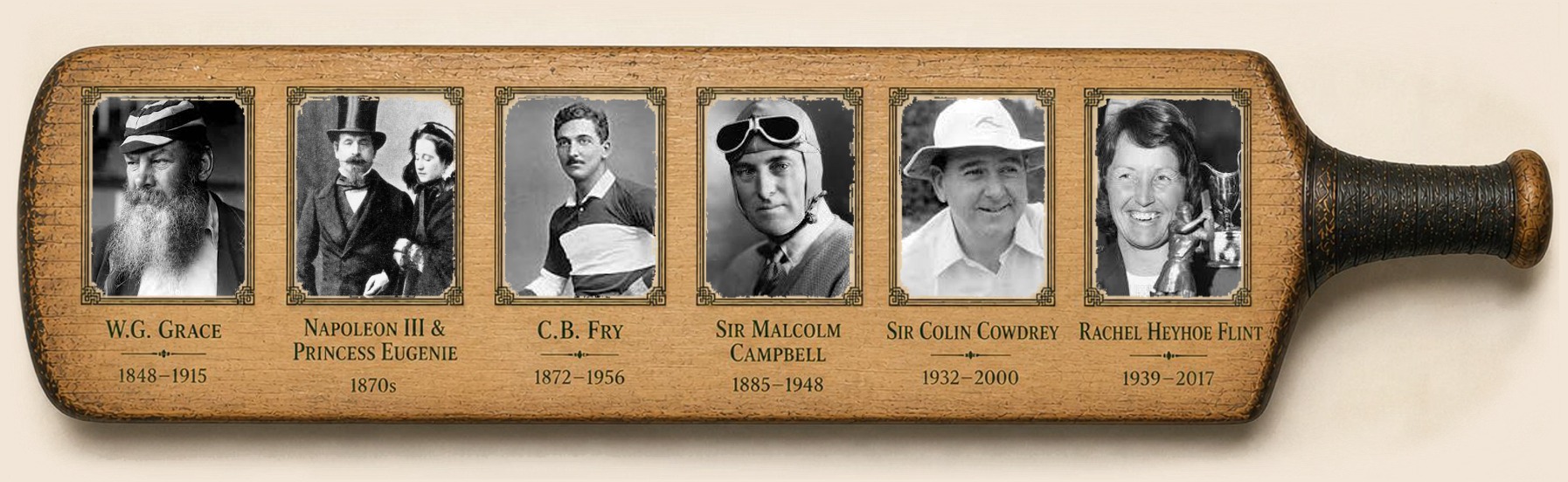
Common Ground – Historical Luminaries
A timeline of iconic figures connected to the club & grounds
Early Origins: Cricket on the Common, 1738–1752
Cricket has been played on the commons of Chislehurst for nearly 300 years, with the earliest recorded matches dating from the mid-eighteenth century.
The first known reference to the sport in the area appears in July 1738, when a Chislehurst team faced the London Cricket Club on Chislehurst Common in a match played for a substantial wager. Taking place on the open grassland, the fixture reflected the informal character of early cricket, which relied on public spaces rather than purpose-built grounds. A return match was soon held at London’s Artillery Ground, signalling Chislehurst’s growing involvement in the regional cricket scene.
Throughout the 1730s and 1740s, Chislehurst Common became a regular venue for cricket matches, attracting local players and spectators alike. Notable encounters included further matches against London in September 1738, September 1739 and June 1740. In June 1743, a combined Bromley and Chislehurst side took on London on nearby Bromley Common. These contests demonstrated the importance of the commons as accessible sporting spaces that encouraged widespread community participation.
By 1741 and 1752, the common was hosting prestigious county-level fixtures, including Kent versus London and Kent versus Surrey. Such matches further cemented the sport’s place within the local recreational landscape and highlighted Chislehurst’s growing reputation as a recognised cricket venue.
The Arrival of West Kent Cricket Club, 1812–1822
The modern club’s lineage took a major step forward with the formation of the West Kent Cricket Club in 1812. Originally established on Bromley Common, this highly prestigious club featured many of the region’s prominent families, gentry and elite cricketers.
However, in 1821, the club faced a crisis when its home ground was lost due to the enclosure of Bromley Common. Seeking a new home, the club was offered land on Chislehurst Common. In 1822, West Kent relocated to the common and laid out the premier playing square at Cricket Ground Road (at the end of Watts Lane), establishing a permanent base that would become the focal point of local cricket for the next two centuries.
The Village Teams and the Merger of 1876 While West Kent CC hosted elite, high-status fixtures on the main ground, a thriving tradition of local, working-class cricket developed alongside them on the common. By the 1870s, the village boasted several independent teams representing local trades and community groups. Most notable among these were:
- The Chislehurst Tradesmen (comprising local artisans, shopkeepers and builders)
- The Chislehurst Working Men’s Club
- The Chislehurst Juveniles (or Young Men’s Association)
In 1876, facing the threat of local land development and enclosing fences, these three working-class teams made the strategic decision to amalgamate. By joining forces, they formed a single, unified organisation: the original Chislehurst Cricket Club.
Shared Ground and an 1888 Act of Parliament
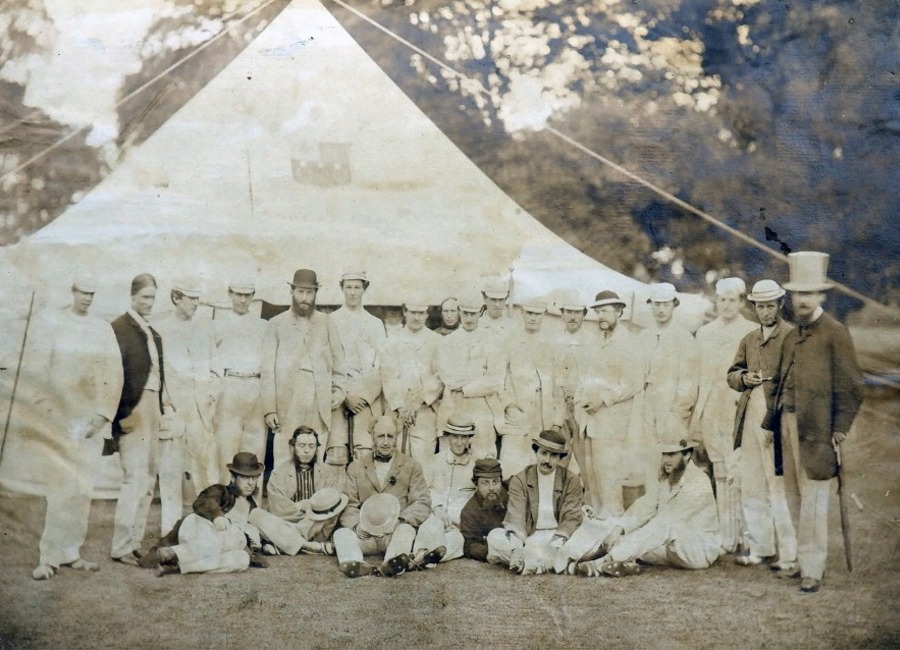
Following the 1876 merger, the newly formed Chislehurst Cricket Club successfully negotiated a formal ground-sharing agreement with the established West Kent Cricket Club. For the first time, the local village players secured a permanent footing on the premier Cricket Ground Road square. For over a century, these two distinct clubs co-existed harmoniously, sharing the facilities, maintaining the ground, and running separate fixture lists on the exact same turf.
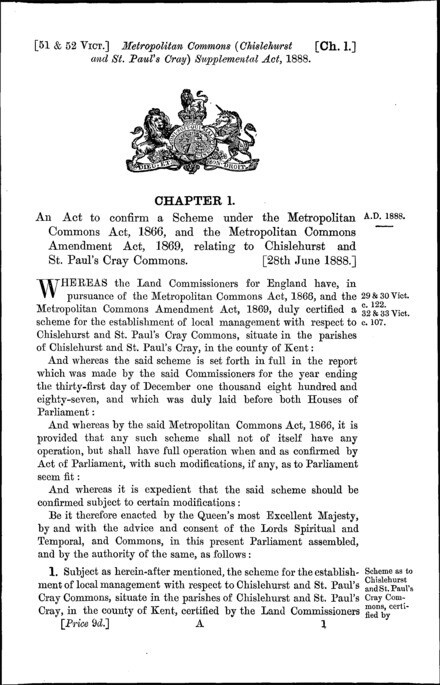
As the sport’s popularity soared, the ground’s status was permanently safeguarded on 28 June 1888 with the passing of the Metropolitan Commons (Chislehurst and St. Paul’s Cray) Supplemental Act. This Act established a Board of Conservators (now the Chislehurst Commons Trustees) to legally protect the common from enclosure and development. By safeguarding the land for public recreation, the Act effectively secured the future of the cricket ground in perpetuity.
One Club at Last, 1980 onwards
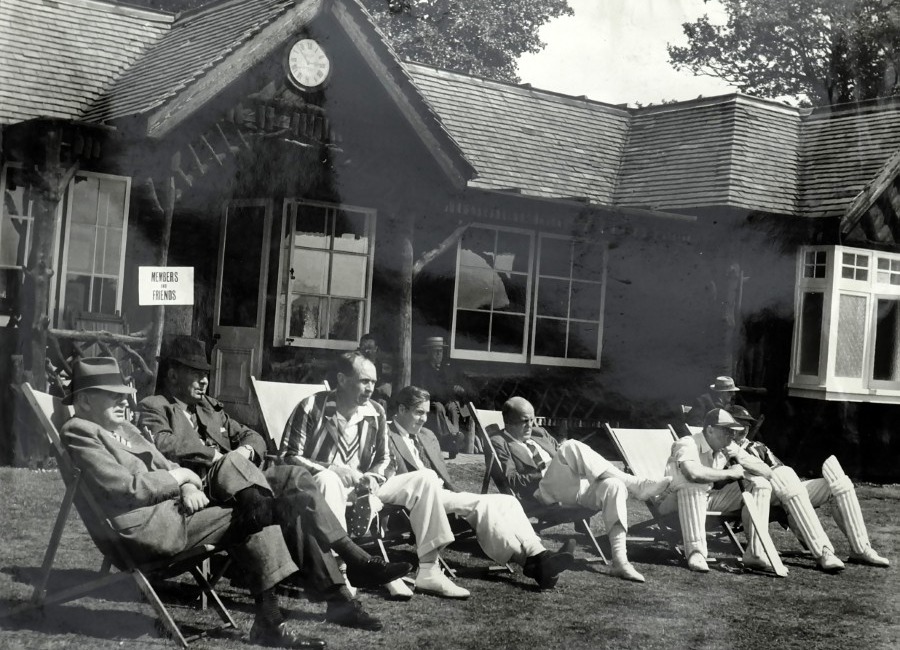
The pavilion stood as a silent witness to nearly a century of shared history between the two clubs until 1980, when the Chislehurst Cricket Club and the West Kent Cricket Club formally amalgamated to create the modern Chislehurst and West Kent Cricket Club.
The Pavilion
A landmark moment for both resident clubs occurred in 1899 with the construction of the iconic pavilion. Designed to replace tents, marquees and temporary structures, the new building provided essential changing rooms, equipment storage and a social space. It instantly became the beating heart of match-day life on the common.
The 1899 Pavilion
A rare survivor of late-Victorian sporting architecture –Historic England terms pavilion like ours ‘Indian-style bungalow pavilions’
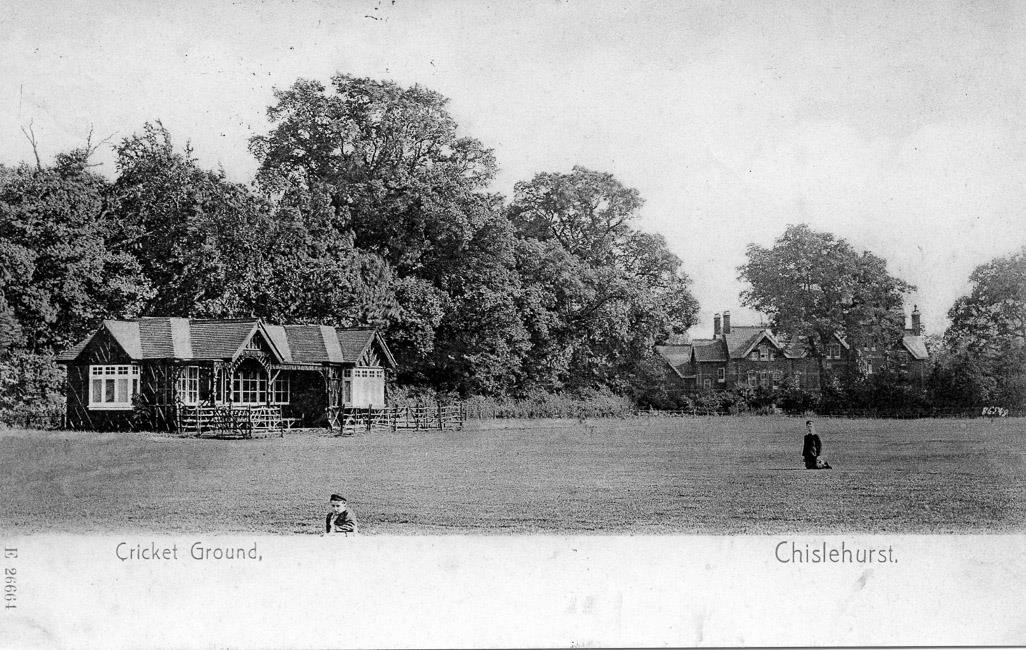
The Cricket Ground at Chislehurst —postcard, c.1909
The verandah
A defining feature of the Anglo-Indian bungalow, originally a shaded transitional space in response to climate. At CWKCC the verandah is adapted to provide a covered viewing area looking out onto the cricket ground.
Bungalow form
An unusually low-slung pavilion shape, almost domestic in scale —a rare example of late-Victorian sporting architecture drawing directly on the Anglo-Indian bungalow tradition.
Internal arrangement
Early bungalow forms were typically organised around a central principal space, with subsidiary rooms arranged adjacently. The CWKCC pavilion adopts this layout: a central social space with changing rooms to either side.
WG Grace at Chislehurst
9 August 1911: the legend of English cricket on our Common
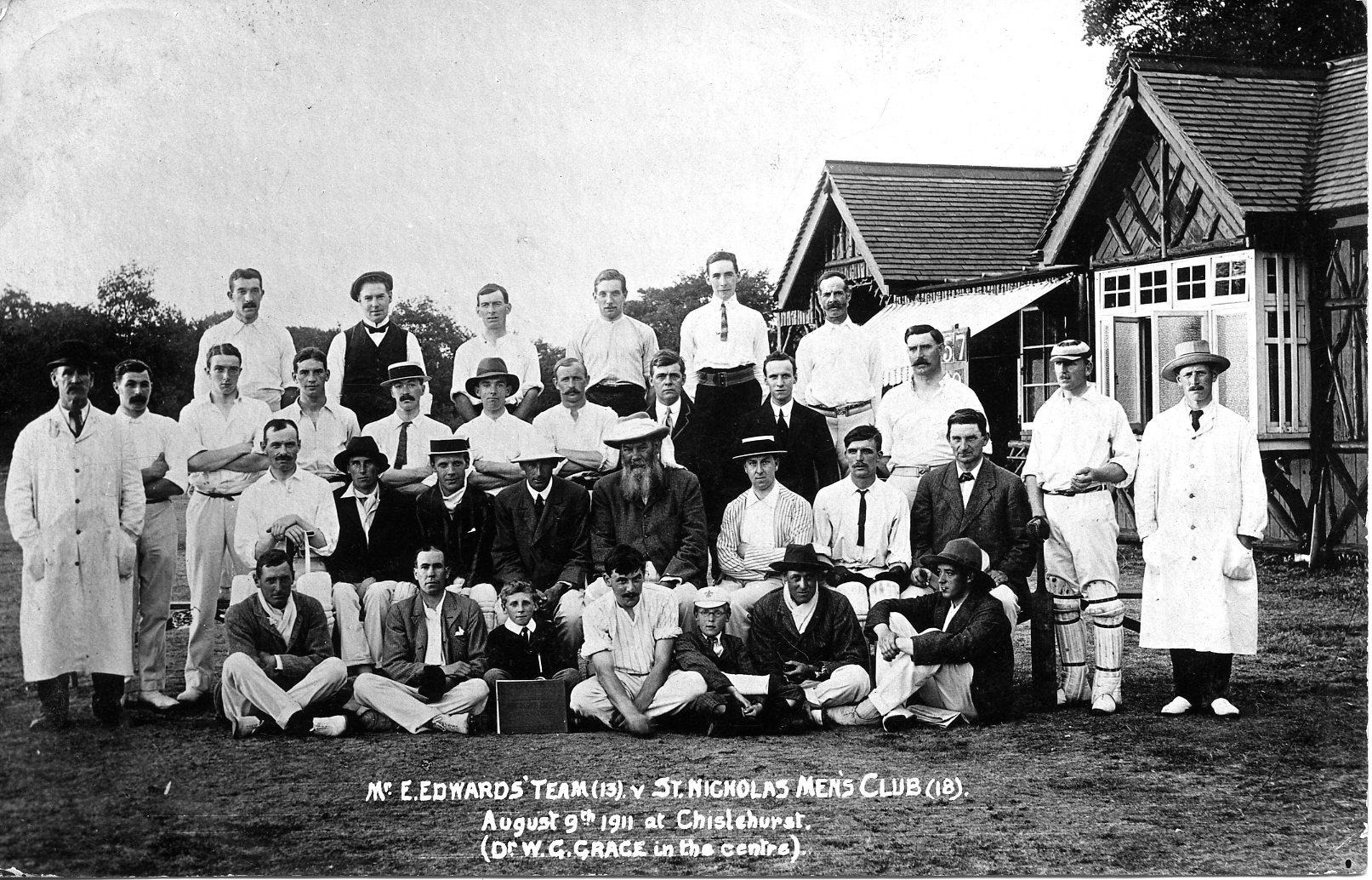
Mr E. Edwards’ Team v. St Nicholas Men’s Club -W.G. Grace, centre
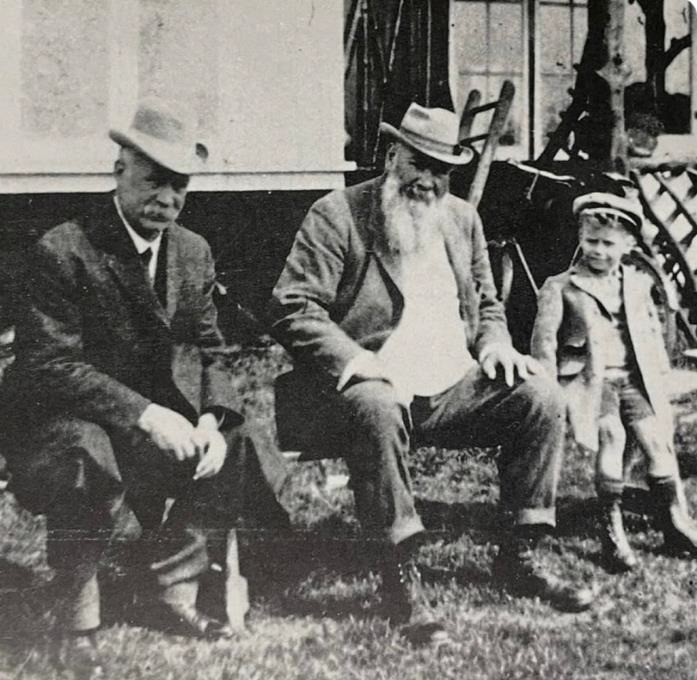
W.G. Grace in front of the pavilion
Through the Years
Glimpses of the Club from across the decades – almost three centuries of cricket on the same patch of ground
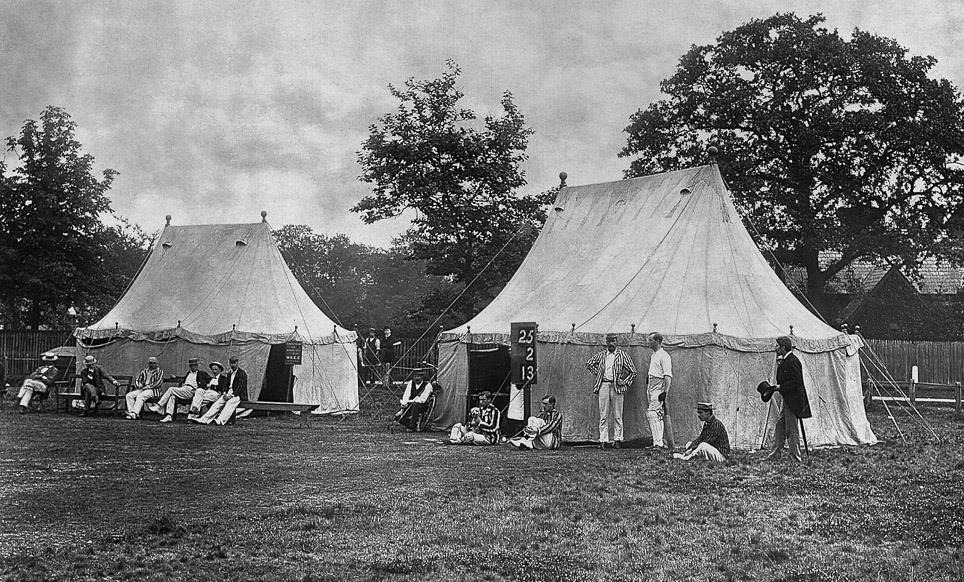
“The Old Tents, Chislehurst” —match-day spectator tents on the Common
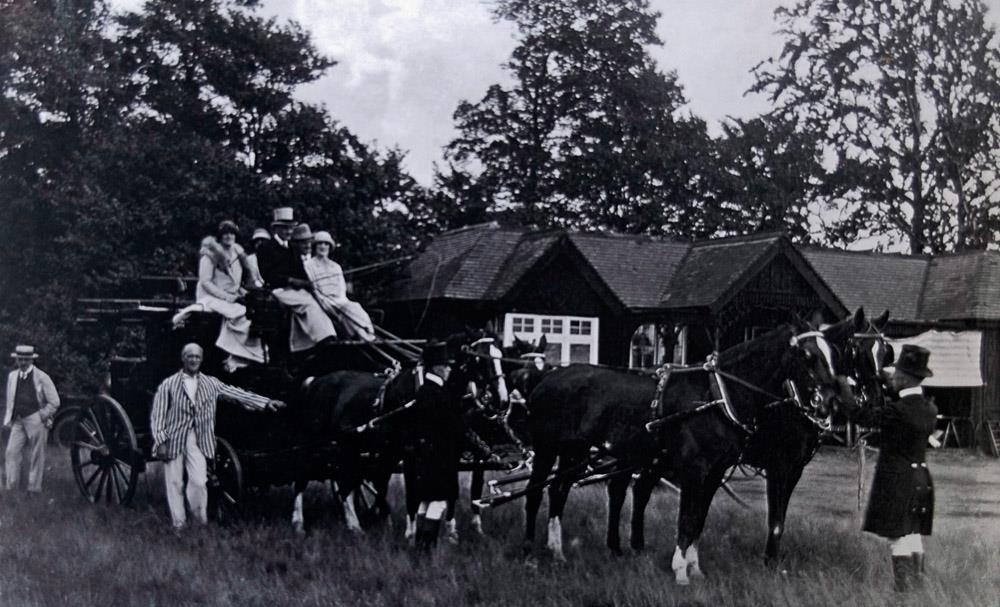
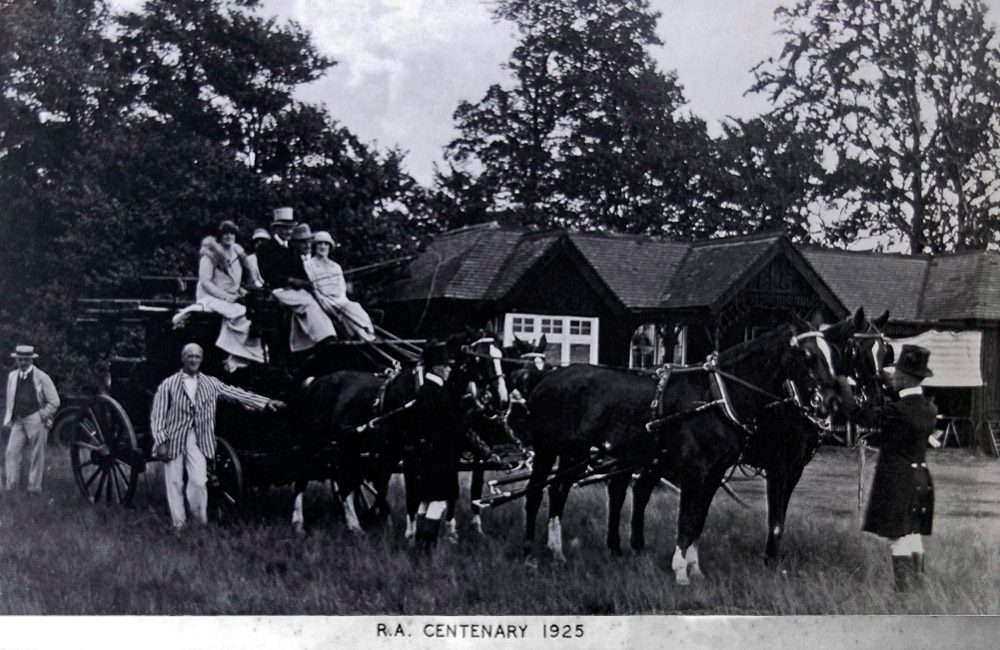
Royal Artillery centenary game, 1925 —outside the pavilion
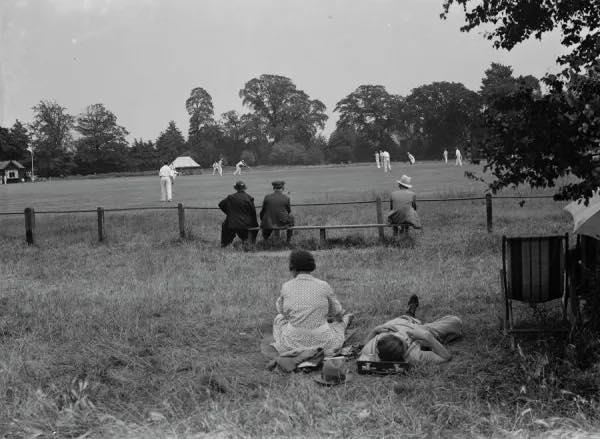
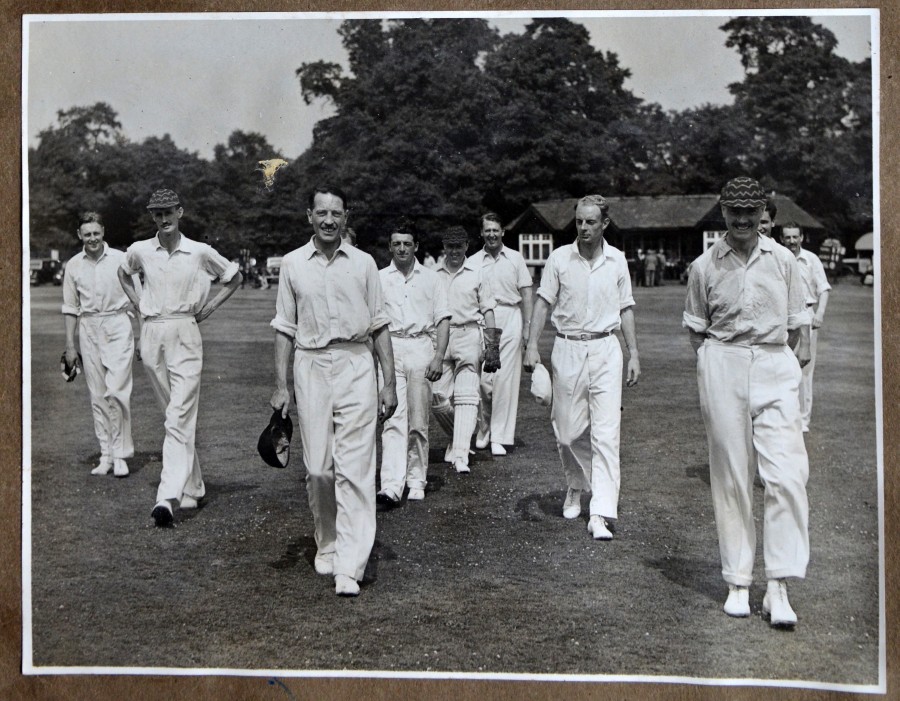
Cricket at Chislehurst, 1935
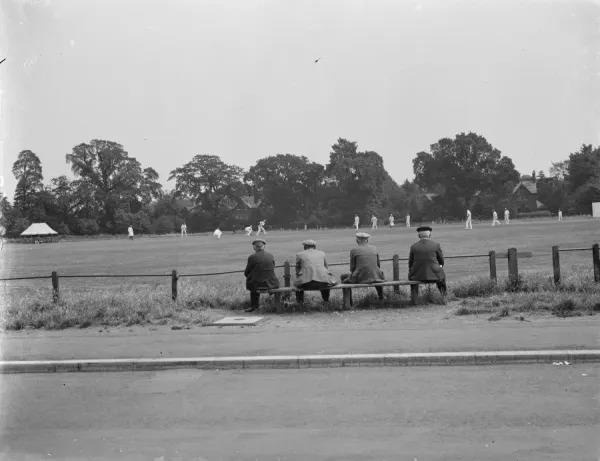
Spectators on the boundary, 1939
 Prof Michael Lewis is a heritage professional (archaeologist and curator) at the British Museum. He is currently Curator of the Bayeux Tapestry exhibition and was previously Head of Portable Antiquities & Treasure (2015–2025), having worked for the Portable Antiquities Scheme (PAS) since 2000. As Deputy Head, he played a key role in implementing the Heritage Lottery Fund-funded expansion of the PAS between 2003 and 2006. As an archaeologist, he specialises in medieval metal small finds, particularly those relating to religion and everyday life. He is also widely recognised for his research and publications on the Bayeux Tapestry and has served on the Bayeux Museum’s Bayeux Tapestry Scientific Committee since 2013. He advises CWKCC on heritage, collections and the interpretation of the Club’s history.
 Jonathon has lived in Chislehurst for most of his life and has worked in estate agency since the age of 20, beginning his career with his father, Alan de Maid. In 1996, he founded jdm Estate Agents in Chislehurst High Street, growing the business into a network of nine offices specialising in residential sales and lettings across Southeast London and Kent. In 2024, Jonathon became President of Chislehurst & West Kent Cricket Club, where he is leading the campaign to rebuild the club’s historic pavilion as a lasting community asset. He is also actively involved in a number of local community initiatives and remains passionate about supporting the village he has proudly called home for most of his life.
 Paul is Owner and CEO of Evans Turner (Finishes) Ltd, a specialist engineering and manufacturing business delivering bespoke metal fabrication and architectural finishes. A graduate engineer with an MBA from Imperial College, he has spent more than 30 years helping to grow and develop the company and is also an inventor, holding patents for specialist architectural products. Paul’s connection with Chislehurst & West Kent Cricket Club spans generations. He first played for the Club at the age of 10, following in the footsteps of his father, a former player and Chairman. A committee member for more than 35 years and Junior Secretary for the past 12 years, he has helped rebuild and grow the Club’s thriving junior section. Today, both of his sons also play for the Club.
 Piers has been Chairman of Chislehurst & West Kent Cricket Club since 2021 and has been a playing member since joining in 2003 at the age of 10. A lifelong cricket enthusiast, he also plays football and golf to a relatively high standard and has sung at competition level. As a teenager, he represented the club across multiple age groups and teams, playing up to five times a week. At just 16, he became U11 Manager and Sunday XI Captain, later taking on numerous leadership roles, including 1st XI and 2nd XI Captain. Born and raised in Chislehurst, Piers has built a successful hospitality career and now runs the Anglesey Arms in Bromley. His dedication has helped shape and promote the club which has been, and will continue to be, a highly treasured and vital part of his life.
 Rachel is the Secretary of the Club and has lived in Chislehurst for over ten years, and locally for 30; her husband is a vice-President of CWKCC. Until recently, Rachel was the Board Secretary of the Competitions and Markets Authority, supporting the members of the Board and the Audit and Risk Assurance Committee (ARAC) around their meetings, including supplying papers, taking minutes and also proactively following up any actions for ARAC. Rachel led the team who supported the CMA’s committees, ensuring these were run efficiently with a high level of customer service. She is now semi-retired and enjoys providing secretariat and governance support to the Club Committees.
 Dr Joanne Hopley is a highly experienced patent attorney with a PhD in Physics. She began her career in intellectual property at the Ministry of Defence before joining a small firm in London which has now grown into one of the most highly regarded IP firms in Europe. She has been an equity partner at that firm for almost 25 years, including several years as co-managing partner. She now serves as Finance Partner, overseeing financial operations across multiple offices in the UK and Europe. Her professional skills have translated to support extensive fundraising initiatives, raising over £20k in projects for schools associated with her two children, as well as various cricket club projects. She continues to contribute her time voluntarily to support Chislehurst and West Kent Cricket Club and the wider community.
 Carina is an executive search specialist with more than 30 years’ experience advising boards, CEOs and senior leadership teams across the pharmaceutical, biotechnology and healthcare sectors on UK and international assignments. Drawing on a background in Psychology and Organisational Psychology, she brings experience in stakeholder engagement, fundraising and project delivery. Through volunteer roles at St Nicholas CofE Primary School and Eltham College, she has supported community and fundraising initiatives. As a member of the main committee at St Nicholas, she helped the PTA raise more than £35,000 annually, led donation and match-funding initiatives that increased annual matched funding by almost 250%, and introduced digital systems for donations, event management and online payments. A Chislehurst resident with family ties to CWKCC spanning three generations, Carina serves on the club’s fundraising, heritage and pavilion committees.
 Lisa Honan CBE is a former diplomat with a lifetime career in international development. Her roles included Governor of St Helena, Head of Development in Kenya, and Ambassador and Head of Development in Nepal. She was awarded a CBE for championing the rights of women and girls in Kenya. After leaving the diplomatic service, Lisa qualified as a City of London Guide and now runs a business researching and curating the history of empire through walks, talks and articles. She has also raised funds for a number of heritage projects. Drawing on her expertise in designing and managing development programmes overseas, Lisa supports CWKCC’s fundraising efforts in a voluntary capacity.